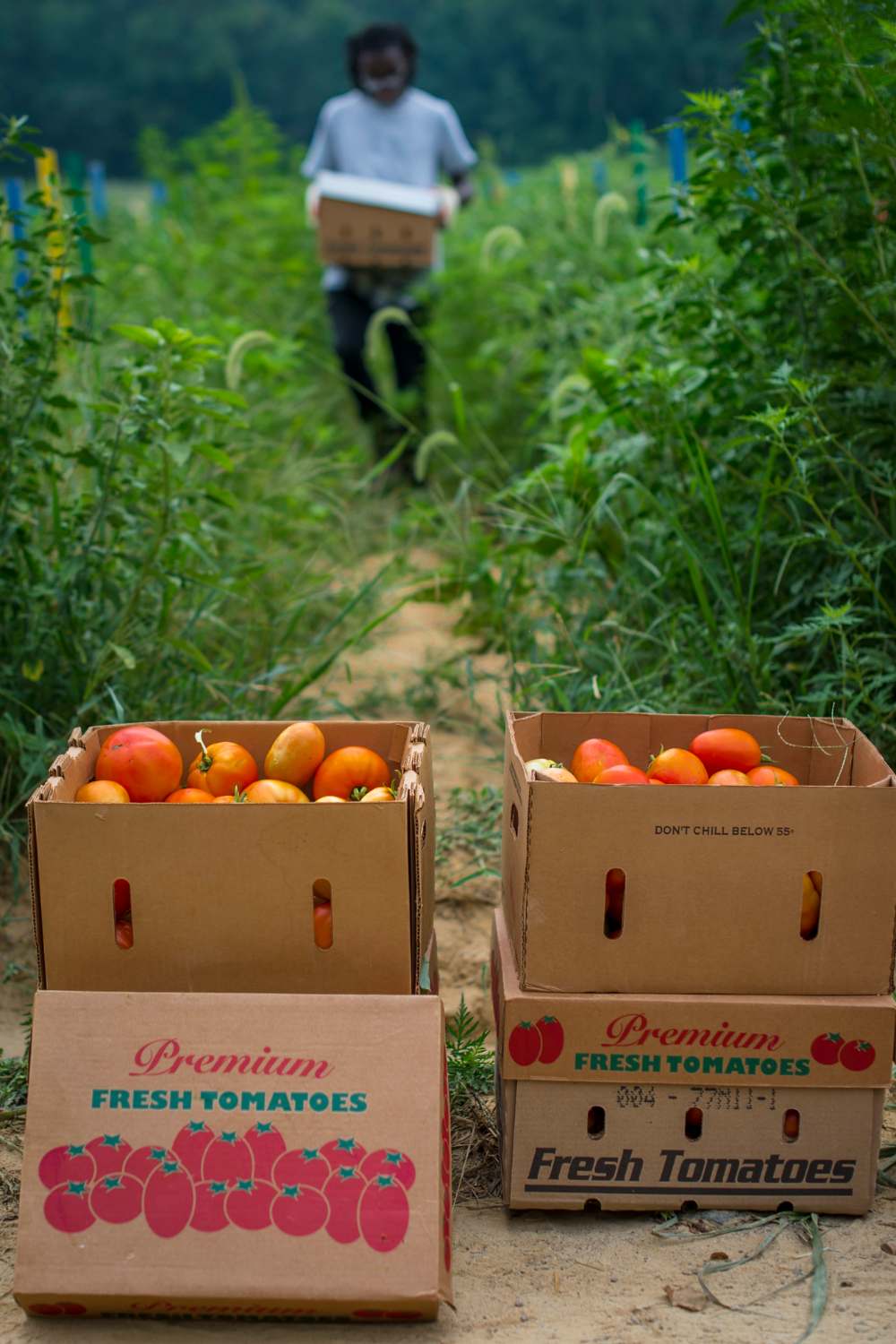
This month (September): peak tomato and pepper season, sweet corn winding down, first apples and winter squash coming in, and pumpkin patches starting to open for the fall. Great month for both fresh eating and your first canning batch of the year.
January – February
- Storage potatoes & onions
- Winter squash (butternut, acorn)
- Stored apples
- Garlic
- Greenhouse microgreens & hoop-house greens (a few growers)
March
- Overwintered root vegetables
- Early hoop-house spinach & lettuce
- Stored squash, onions, potatoes
- Honey (year-round, but a good time to restock)
April
- Asparagus begins (late April)
- Spinach, arugula, radishes
- Rhubarb starts
- Early lettuce mixes
May
- Asparagus (peak)
- Rhubarb
- Spring greens & salad mix
- Radishes, spring turnips
- First farmers markets of the year open
June
- Strawberries begin
- Peas & snap peas
- Garlic scapes
- Early summer squash & zucchini
- Cherries begin (late June/early July at some orchards)
July
- Raspberries & early blackberries
- Cherries (peak)
- First tomatoes, cucumbers, green beans
- Sweet corn begins
- Summer squash (peak)
In season nowSeptember
- Tomatoes & peppers (peak)
- Sweet corn (tail end)
- First apples
- Early winter squash & pumpkins
- Grapes, late plums
August
- Tomatoes, peppers, eggplant (peak)
- Sweet corn (peak)
- Melons — cantaloupe & watermelon
- Peaches, plums
- Green beans
October
- Apples (peak)
- Pumpkins & winter squash (peak)
- Root vegetables — carrots, beets, potatoes
- Last tomatoes (before frost)
- Most farmers markets wrap up mid-to-late month
November – December
- Storage squash & root vegetables
- Stored apples
- Late-season CSA fall/winter shares
- Honey, preserves, farm-made goods for the holidays
Advertisement
A note on timing
Northern Colorado sits around USDA zone 5b–6a with a semi-arid climate and a real risk of late spring and early fall frosts, so exact harvest windows move a couple of weeks earlier or later depending on the year. Growers with hoop houses or high tunnels (several CSA farms in the directory run them) stretch both ends of the season further than open-field timing alone would suggest.
Want a heads-up before the season's peak arrives? Sign up for the monthly email on the home page.
Frequently asked questions
When does Northern Colorado's growing season start and end?
Roughly late April through October. Outside that window, storage crops like potatoes, onions, and winter squash carry the market, along with stored apples and garlic.
Why does harvest timing shift from year to year?
Northern Colorado sits around USDA zone 5b–6a with a semi-arid climate and a real risk of late spring and early fall frosts, so exact harvest windows can move a couple of weeks earlier or later depending on the year. Farms running hoop houses or high tunnels stretch both ends of the season further than open-field timing alone would suggest.
What's the peak month for tomatoes in Northern Colorado?
August, when tomatoes, peppers, and eggplant all peak together alongside sweet corn. Tomatoes and peppers stay strong into September before the first frost ends the run in October.